Direct Booking
Audit the hotel’s direct-booking journey
A way to review the guest path from interest to a confident direct booking, without assuming the only problem is traffic volume.
In this article
Demand helps when guests can see the next action
The answer is rarely on one page or one channel. It sits along the path from the originating message to the landing page, room information, booking system and follow-up.
Start where guests arrive
Begin with the pages that receive demand. Do they match the promise the guest saw in an ad, search result, social post or partner link? Someone who arrived for a family offer, beach hotel, long-weekend package or a room type should not have to start searching again from the homepage.
The first screen should make three things easy: what the hotel is, why the stay might fit, and what to do next. A book button does not need to dominate every message, but it should not be hard to find.
Review the moments that need confidence
Booking decisions depend on confidence as much as interest. Guests may need room details, useful photos, location context, rate conditions, cancellation policy, contact options and practical answers. When that information is inconsistent, buried or awkward on mobile, a ready-to-book visitor can leave without doing anything.
The audit should look for gaps between the questions guests are likely to have and what the website actually answers near the decision point. That is not about adding content everywhere. It is about placing the right context close to action.
Walk the path on mobile
Many hotel guests see a campaign or search result first on a phone. The mobile path therefore affects revenue and growth, not only layout polish. Check that room information, rates, contact details, booking controls and enquiry forms stay usable without too much scrolling, zooming or switching screens.
Small friction becomes large when guests are comparing several hotels in a short sitting.
Connect the booking path to team replies
Not everyone books immediately. Some ask a question, call, message or submit a form. A direct-booking path should therefore connect the website to the reservations reply process. If a guest takes time to ask, the hotel needs a way to reply with relevant information and a clear next step.
This is where website conversion and reservations operations meet. A good booking path does not end at a form or contact button. It continues until the guest gets a useful answer.
Next step
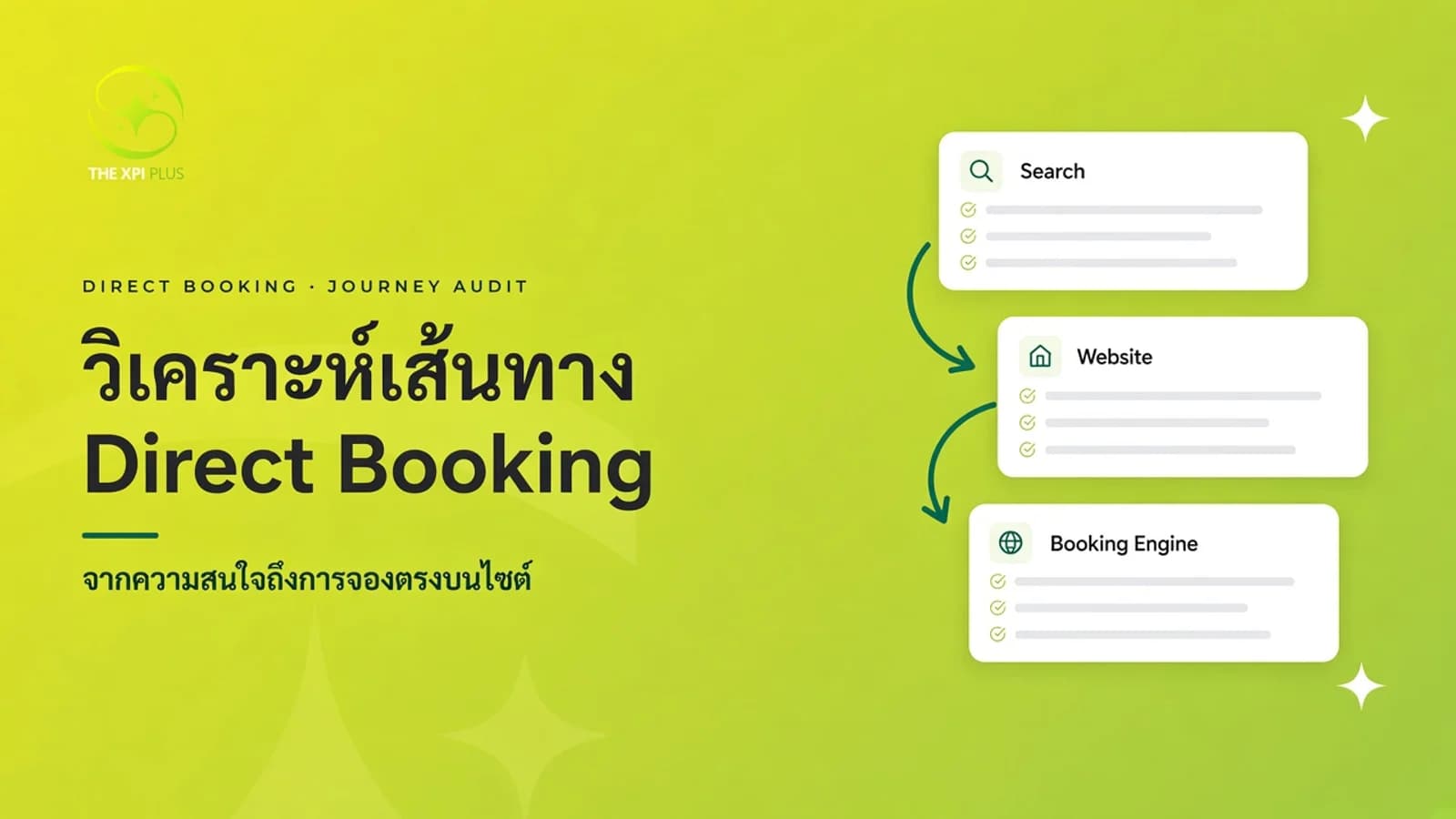
Choose one intent-rich path and test it end to end: start from Google or a campaign link, open it on mobile, find the relevant room or offer, and try the next action. Note every point where the message, information or action becomes unclear. The goal is not perfection. It is seeing what should be clearer first.
Example: A hotel reviews its offer page and the path from the website into the booking engine so interested guests understand conditions and can continue more easily.
Related reading: Hotel Website Content · What Is an OTA? · Hotel Rate Parity · Increase Hotel Bookings from Google